

Bird portrait
Dickcissel
Spiza americana
 As wooden wall art
Dickcissel
€12.00
To the wall art
What the dickcissel sounds like
Recording: Jonathon Jongsma, xeno-canto XC142657, CC BY-SA 3.0
Did you know?
The dickcissel is named after its song: its name spells out the syllables “dick-dick-ciss-ciss”.
When to hear it
For the breeding range in North America
Most often from May to July
January
When to hear it: hardly
February
When to hear it: hardly
March
When to hear it: hardly
April
When to hear it: less often
Territories
May
When to hear it: often
Territories
June
When to hear it: often
Breeding
July
When to hear it: often
Raising young
August
When to hear it: less often
Autumn migration
September
When to hear it: less often
Autumn migration
October
When to hear it: hardly
November
When to hear it: hardly
December
When to hear it: hardly
Mostly in the morning and during the day
Apr (less often), May (often), Jun (often), Jul (often), Aug (less often), Sep (less often)
Territories: April – May; Breeding: June – June; Raising young: July – July; Autumn migration: August – September
Facts
- Size
- 14–16 cm
- Wingspan
- 25–26 cm
- Weight
- 26–40 g
- Family
- cardinals
Range
Open grassland of the prairies in the Midwestern United States; winters in large flocks in southern Mexico, Central America and northern South America.
What the dickcissel eats
-
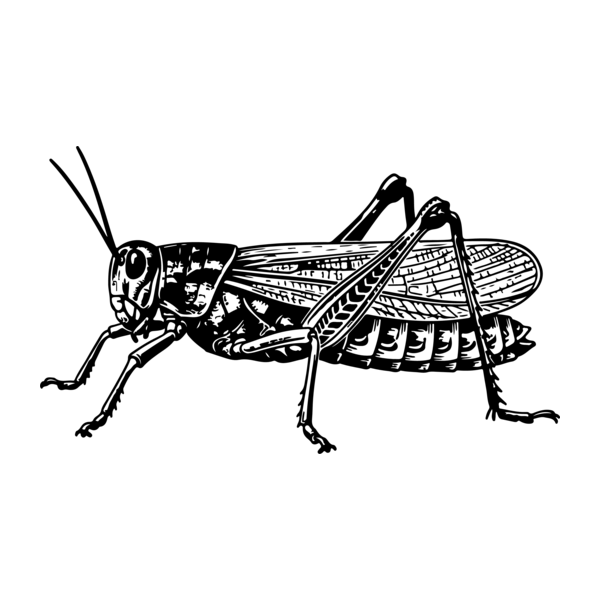 In early summer he eats mostly insects, many of them grasshoppers; one female in Illinois brought her nestlings 20 grasshoppers an hour. When Spring Summer
Mainly Grasshoppers and crickets
-
 He hunts caterpillars on the ground and in low vegetation – in early summer they are among the insects that make up most of his diet. When Spring Summer
Also Caterpillars
-
 In the breeding season he eats many beetles besides grasshoppers and caterpillars, picking them up on the ground and in low vegetation. When Spring Summer
Also Beetles
-
 Outside the breeding season he feeds mainly on grass and weed seeds, usually in flocks – on migration and in winter almost only seeds. When all year
Also Grass and weed seeds
-
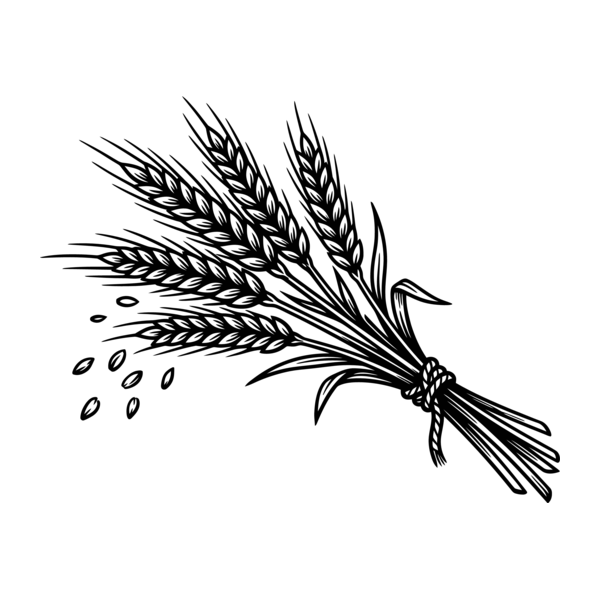 In Venezuela's llanos, flocks of over a million birds descend on rice and sorghum fields; he can husk a dozen sorghum seeds a minute. When Autumn Winter
Also Grain
Conservation status
Least concern
LC · IUCN Red List
Worldwide, its numbers are not considered at risk – the lowest of seven steps.

Worldwide, its numbers are not considered at risk – the lowest of seven steps.


Not yet threatened, but close to it – the second of seven steps.
For example
- Northern Lapwing Vanellus vanellus
- Eurasian Curlew Numenius arquata
- Black-tailed Godwit Limosa limosa
Worldwide, its numbers are considered vulnerable – the third of seven steps.
For example
- European Turtle Dove Streptopelia turtur
- Atlantic Puffin Fratercula arctica
- Snowy Owl Bubo scandiacus
Worldwide, its numbers are considered endangered – the fourth of seven steps.
For example
- Northern Bald Ibis Geronticus eremita
- Saker Falcon Falco cherrug
- Steppe Eagle Aquila nipalensis
The species is critically endangered – the fifth of seven steps.
For example
- Kakapo Strigops habroptila
- Philippine Eagle Pithecophaga jefferyi
The species survives only in human care – the sixth of seven steps.
For example
- Spix's Macaw Cyanopsitta spixii
- Hawaiian Crow Corvus hawaiiensis
- Guam Kingfisher Todiramphus cinnamominus
The species is extinct – the highest of seven steps.
For example
- Dodo Raphus cucullatus
- Passenger Pigeon Ectopistes migratorius
- Great Auk Pinguinus impennis
Tap a level or hover over it. Outside the scale: DD – data deficient · NE – not evaluated
As wooden wall art
Dickcissel Wall Art
On mango wood · 10 × 10 cm
incl. 19 % VAT, plus shipping
Description
Vintage bird art on wood: the Dickcissel, laser-burnt into mango wood – small wall decor for bird lovers and nature lovers.
- Design
- Dickcissel
- Material
- FSC-certified mango wood
- Size
- approx. 4 × 4 in (10 × 10 cm)
- Thickness
- 9–10 mm
- Hanging
- Hanger on the back
Shipping
- Availability
- 3 in stock
- Shipping
- Large letter · €1.80
- from 4 items
- DHL small parcel · €4.19
- from 11 items
- DHL parcel · €6.19
Will it arrive in time?
Expected to arrive Thu 29 Oct – Sat 31 Oct
When sent by Large letter to Germany. An estimate, not a promised delivery date; with payment in advance, from when the payment arrives.
Questions
Is the design printed?
No – burnt into the wood with a laser, without any paint.
Will my picture look exactly like the photos?
Almost. Grain and colour differ from piece to piece, and the design comes out a little lighter or darker depending on the wood. That is exactly what makes it one of a kind.
How do I hang it?
The hanger is already on the back – all it needs is the right spot on the wall.
When will it ship?
Ready to ship: 1–2 working days – usually the same day. The shipping costs are on the “Shipping” tab.
My favourite bird is missing – what now?
Wish for it! On the page of the wooden picture there is room for your motif wish.
3 left
Ready to ship: 1–2 working days · 14 days right of withdrawal


