

Bird portrait
White Stork
Ciconia ciconia
 As wooden wall art
White Stork
€12.00
To the wall art
What the white stork sounds like
Recording: Pascal Christe, xeno-canto XC824502, CC BY-SA 4.0
Did you know?
Adult white storks are almost mute – instead of calling, they loudly clatter their bills, for example to greet their partner at the nest.
When to hear it
For Central Europe
Most often from April to July
January
When to hear it: hardly
February
When to hear it: hardly
March
When to hear it: less often
Return, pairing
April
When to hear it: often
Return, pairing · Breeding
May
When to hear it: often
Breeding
June
When to hear it: often
Raising young
July
When to hear it: often
Raising young
August
When to hear it: less often
Raising young · Autumn migration
September
When to hear it: hardly
Autumn migration
October
When to hear it: hardly
November
When to hear it: hardly
December
When to hear it: hardly
Mar (less often), Apr (often), May (often), Jun (often), Jul (often), Aug (less often)
Return, pairing: March – April; Breeding: April – May; Raising young: June – August; Autumn migration: August – September
Facts
- Size
- 100–115 cm
- Wingspan
- 155–215 cm
- Weight
- 2.3–4.5 kg
- Family
- storks
Range
Europe from Spain to Russia, western Asia from Turkey to the Caucasus, North Africa; winters in Africa south of the Sahara.
What the white stork eats
-
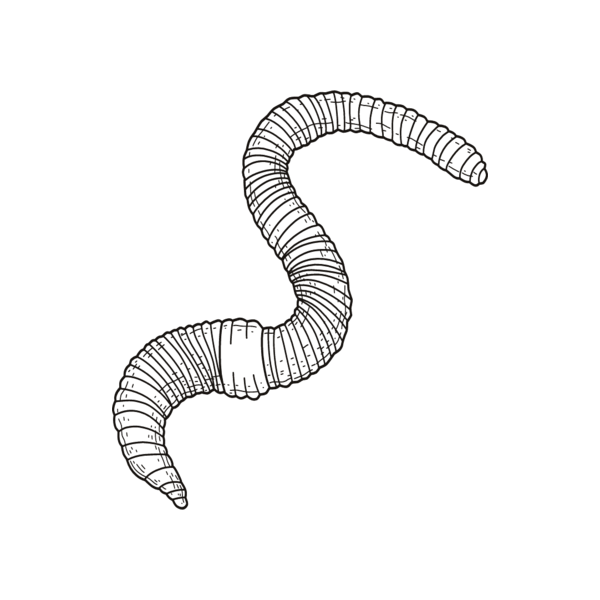 After arriving in spring, earthworms are his main food. The chicks too get mostly worms in their first weeks, regurgitated onto the nest floor. When Spring Summer
Mainly Earthworms
-
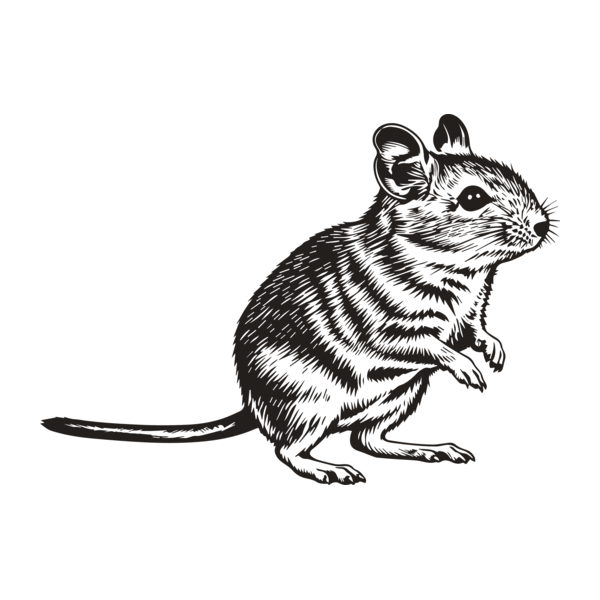 In good vole years he eats large numbers of field voles – and stork pairs then raise more young. He likes to follow the plough and the hay tedder. When Spring Summer
Also Mice
-
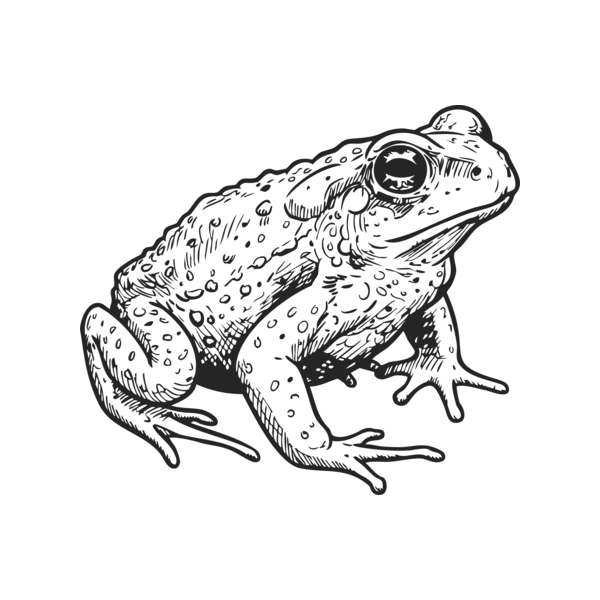 Frogs matter less than people think: 17 stork stomachs examined around 1900 held only two. Small ones go mainly to the chicks. When Spring Summer
Also Frogs
-
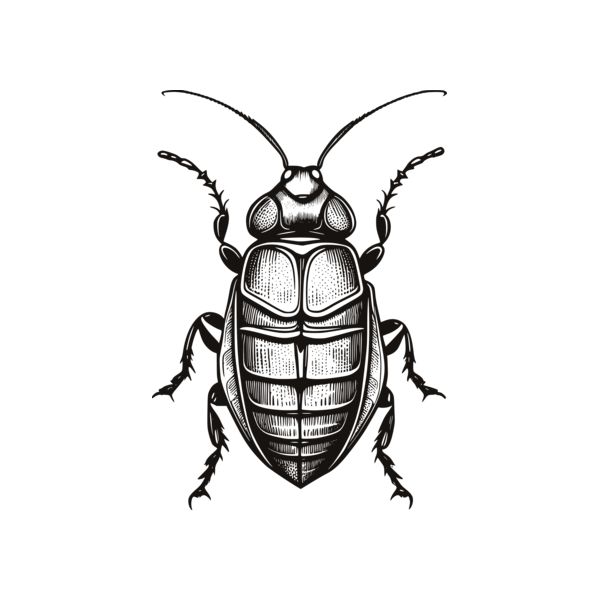 By number, beetles often make up most of his prey – the remains of 109 cockchafers were once found in a single stork's stomach. When Spring Summer
Also Beetles
-
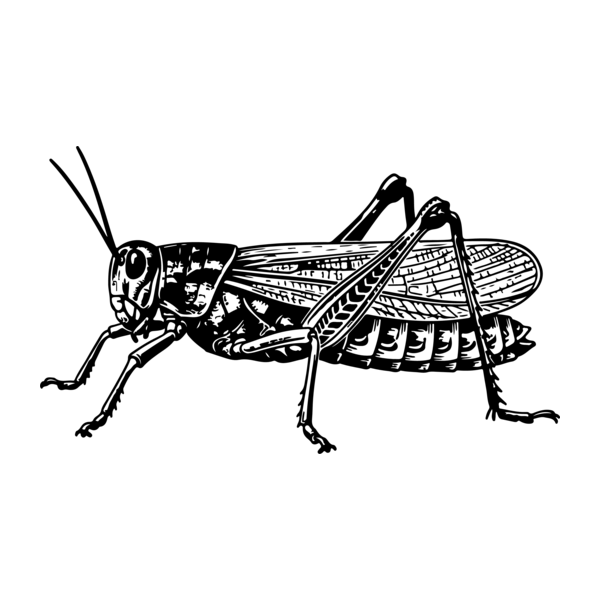 In Africa and on the way there, migratory locusts are often his main food – in some regions he is called the “locust bird”. When Autumn Winter
Also Grasshoppers
-
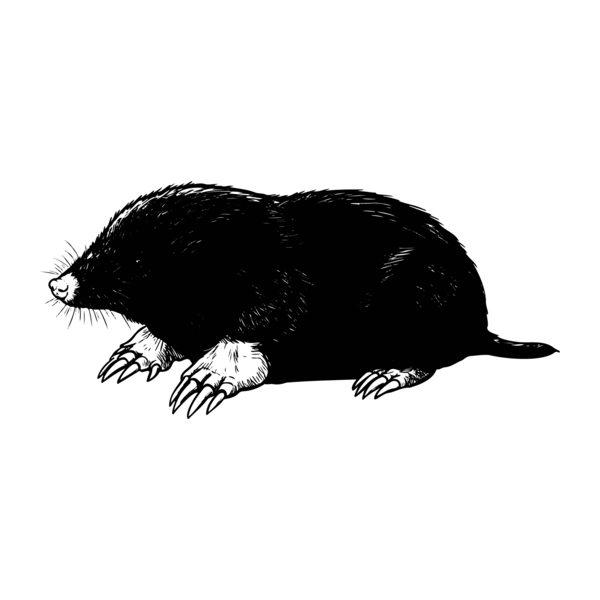 He catches moles more often than one might think: 17 stork stomachs examined around 1900 held at least eleven – over five times as many as frogs.
Also Moles
Conservation status
Least concern
LC · IUCN Red List
Worldwide, its numbers are not considered at risk – the lowest of seven steps.

Worldwide, its numbers are not considered at risk – the lowest of seven steps.


Not yet threatened, but close to it – the second of seven steps.
For example
- Northern Lapwing Vanellus vanellus
- Eurasian Curlew Numenius arquata
- Black-tailed Godwit Limosa limosa
Worldwide, its numbers are considered vulnerable – the third of seven steps.
For example
- European Turtle Dove Streptopelia turtur
- Atlantic Puffin Fratercula arctica
- Snowy Owl Bubo scandiacus
Worldwide, its numbers are considered endangered – the fourth of seven steps.
For example
- Northern Bald Ibis Geronticus eremita
- Saker Falcon Falco cherrug
- Steppe Eagle Aquila nipalensis
The species is critically endangered – the fifth of seven steps.
For example
- Kakapo Strigops habroptila
- Philippine Eagle Pithecophaga jefferyi
The species survives only in human care – the sixth of seven steps.
For example
- Spix's Macaw Cyanopsitta spixii
- Hawaiian Crow Corvus hawaiiensis
- Guam Kingfisher Todiramphus cinnamominus
The species is extinct – the highest of seven steps.
For example
- Dodo Raphus cucullatus
- Passenger Pigeon Ectopistes migratorius
- Great Auk Pinguinus impennis
Tap a level or hover over it. Outside the scale: DD – data deficient · NE – not evaluated
As wooden wall art
White Stork Wall Art
On mango wood · 10 × 10 cm
incl. 19 % VAT, plus shipping
Description
Vintage bird art on wood: the White Stork, laser-burnt into mango wood – small wall decor for bird lovers and nature lovers.
- Design
- White Stork
- Material
- FSC-certified mango wood
- Size
- approx. 4 × 4 in (10 × 10 cm)
- Thickness
- 9–10 mm
- Hanging
- Hanger on the back
Shipping
- Availability
- 3 in stock
- Shipping
- Large letter · €1.80
- from 4 items
- DHL small parcel · €4.19
- from 11 items
- DHL parcel · €6.19
Will it arrive in time?
Expected to arrive Thu 29 Oct – Sat 31 Oct
When sent by Large letter to Germany. An estimate, not a promised delivery date; with payment in advance, from when the payment arrives.
Questions
Is the design printed?
No – burnt into the wood with a laser, without any paint.
Will my picture look exactly like the photos?
Almost. Grain and colour differ from piece to piece, and the design comes out a little lighter or darker depending on the wood. That is exactly what makes it one of a kind.
How do I hang it?
The hanger is already on the back – all it needs is the right spot on the wall.
When will it ship?
Ready to ship: 1–2 working days – usually the same day. The shipping costs are on the “Shipping” tab.
My favourite bird is missing – what now?
Wish for it! On the page of the wooden picture there is room for your motif wish.
3 left
Ready to ship: 1–2 working days · 14 days right of withdrawal
